


Kilian Franzen
Bremm • Germany
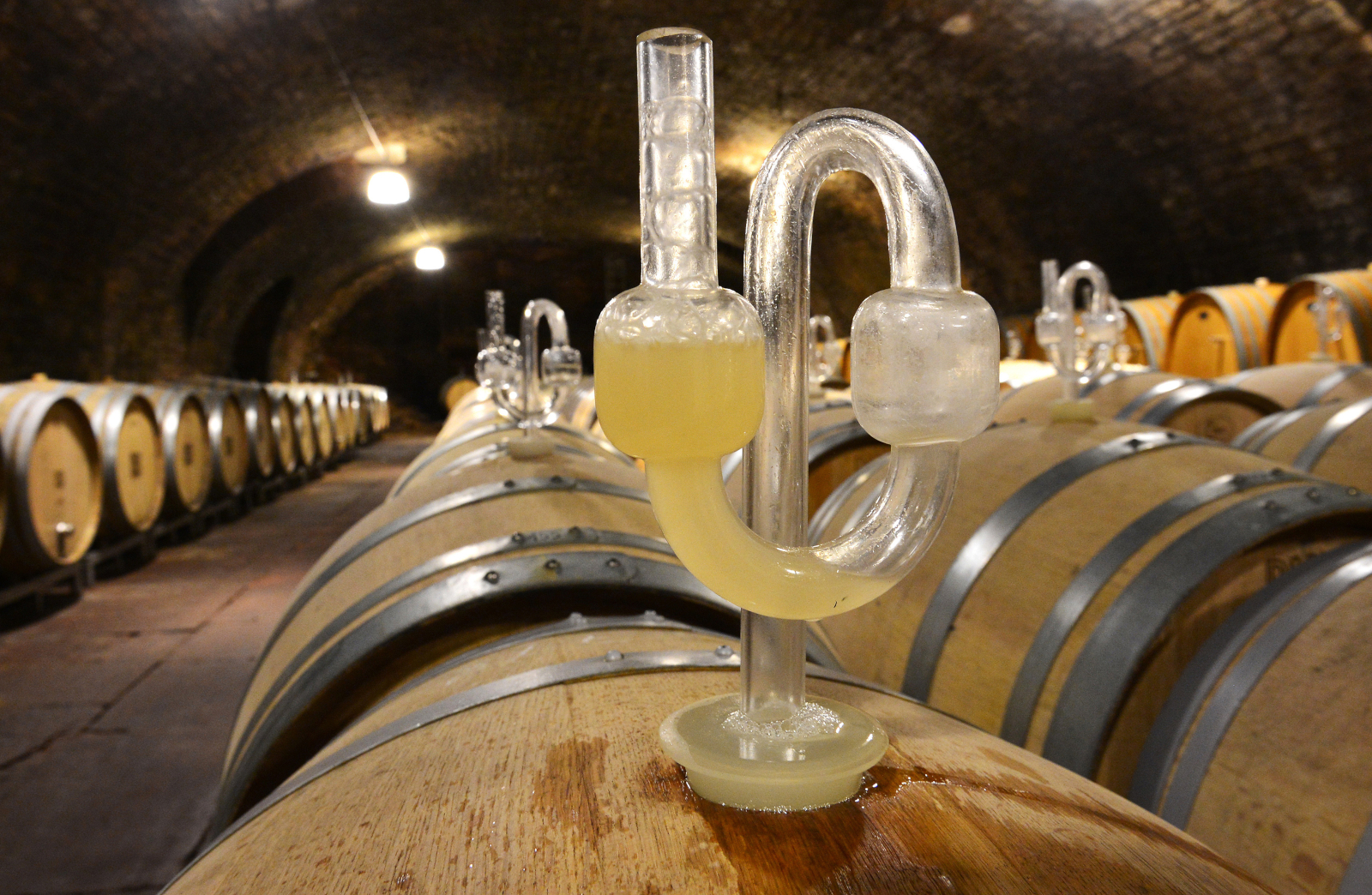 Photo: Deutsches Weininstitut
The wines at a glance
Symbols
| ⧛ | The rating of the wine reflects the mean value from a tasting by our jury. |
| ⚖ | The wine was evaluated in a blind tasting. |
| ⛬ | The wine was tasted as a barrel sample or before an official test number (Amtliche Prüfungsnummer or Staatliche Prüfnummer) was issued. |
| ▲ | The wine exhibited a sensory abnormality during our tasting. This does not necessarily have to be a qualitative defect or a wine fault. In the case of a qualitative impairment, a devaluation or rejection was made depending on the type and severity of the defect or wine fault. |
Kilian Franzen
Gartenstraße 14
56814 Bremm
Germany
Phone: +49 2675 412
Fax: +49 2675 1655
Internet: www.weingut-franzen.de
E‑mail: info@weingut-franzen.de
Winewhitedry to off-dryRiesling
2015 “Der Sommer war sehr groß” Riesling Qualitätswein
Germany
Mosel • Geschützte Ursprungsbezeichnung (g. U.)
Amtliche Prüfungsnummer 1619033 6 16 • 12 % alcohol • bottled under the former name Reinhold Franzen
WinewhitedryRiesling
2014 Bremm Calmont Riesling Qualitätswein trocken
Großes Gewächs Bernkasteler Ring e.V.
Germany
Mosel • Geschützte Ursprungsbezeichnung (g. U.)
Amtliche Prüfungsnummer 1619033 16 15 • 13.5 % alcohol • bottled under the former name Reinhold Franzen
Winewhitedry to off-dryRiesling
2014 Neef Frauenberg Riesling Qualitätswein
Germany
Mosel • Geschützte Ursprungsbezeichnung (g. U.)
Amtliche Prüfungsnummer 1619033 13 15 • 12.5 % alcohol • bottled under the former name Reinhold Franzen
Winewhitedry to off-dryRiesling
2013 “Der Sommer war sehr groß” Riesling Qualitätswein
Germany
Mosel • Geschützte Ursprungsbezeichnung (g. U.)
Amtliche Prüfungsnummer 1619033 6 14 • 12 % alcohol • bottled under the former name Reinhold Franzen
Winewhitedry to off-dryRiesling
2012 Neef Frauenberg Riesling Qualitätswein Gold Capsule
Germany
Mosel • Geschützte Ursprungsbezeichnung (g. U.)
Amtliche Prüfungsnummer 1619033 13 13 • 13 % alcohol • bottled under the former name Reinhold Franzen
Winewhitedry to off-dryRiesling
2011 “Calidus Mons” Bremm Calmont Riesling Qualitätswein
Germany
Mosel • Geschützte Ursprungsbezeichnung (g. U.)
Amtliche Prüfungsnummer 1619033 16 12 • 12.5 % alcohol • bottled under the former name Reinhold Franzen