



Weiler-Fendel
Oberwesel • Germany
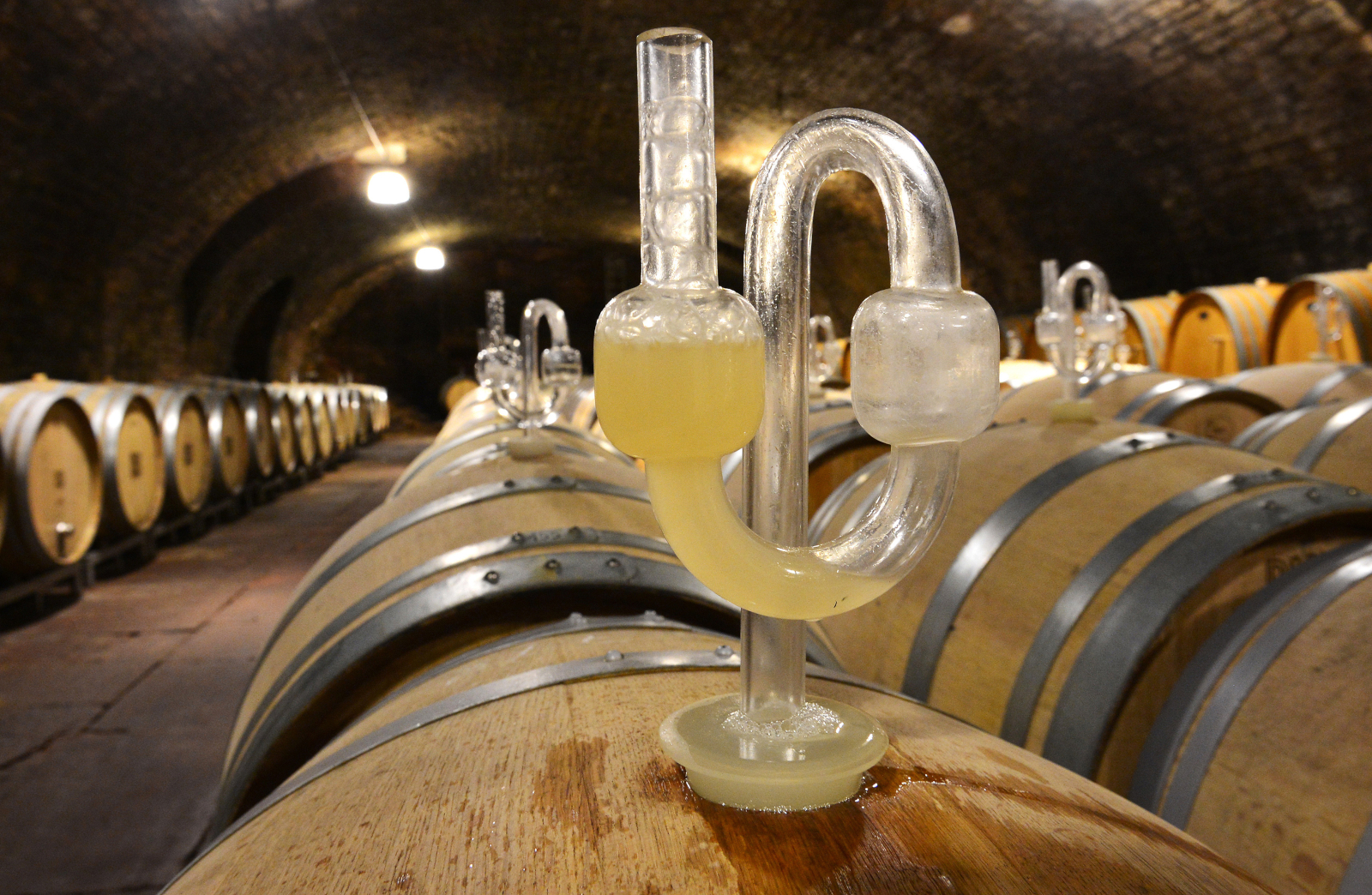 Photo: Deutsches Weininstitut
The wines at a glance
Symbols
| ⧛ | The rating of the wine reflects the mean value from a tasting by our jury. |
| ⚖ | The wine was evaluated in a blind tasting. |
| ⛬ | The wine was tasted as a barrel sample or before an official test number (Amtliche Prüfungsnummer or Staatliche Prüfnummer) was issued. |
| ▲ | The wine exhibited a sensory abnormality during our tasting. This does not necessarily have to be a qualitative defect or a wine fault. In the case of a qualitative impairment, a devaluation or rejection was made depending on the type and severity of the defect or wine fault. |
Weiler-Fendel
Mainzer Straße 2
55430 Oberwesel
Germany
Phone: +49 6744 323
Fax: +49 6744 7278
Internet: www.weingut-weiler.com
E‑mail: weingut-weiler@gmx.de
WinewhitedryScheurebe
2018 Scheurebe Qualitätswein trocken
Germany
Mittelrhein • Geschützte Ursprungsbezeichnung (g. U.)
Amtliche Prüfungsnummer 4907234 4 19 • 13 % alcohol
WinewhitedryRiesling
2018 Kaub Roßstein Riesling Meisterstück Auslese trocken
Germany
Mittelrhein • Geschützte Ursprungsbezeichnung (g. U.)
Amtliche Prüfungsnummer 1907234 5 19 • 13.5 % alcohol
Winewhiteoff-dryRiesling
2018 Oberwesel Schloss Schönburg Riesling Handstreich Kabinett feinherb
Germany
Mittelrhein • Geschützte Ursprungsbezeichnung (g. U.)
Amtliche Prüfungsnummer 1907234 4 19 • 11 % alcohol
WinewhitesweetKerner
2018 Engehöll Goldemund Kerner Spätlese
Germany
Mittelrhein • Geschützte Ursprungsbezeichnung (g. U.)
Amtliche Prüfungsnummer 4907234 33 18 • 8.5 % alcohol
Winewhiteoff-dryPinot Gris
2017 Oberwesel Römerkrug Grauburgunder Qualitätswein feinherb
Germany
Mittelrhein • Geschützte Ursprungsbezeichnung (g. U.)
Amtliche Prüfungsnummer 4907234 3 18 • 12 % alcohol
Winewhiteoff-dryRiesling
2015 Oberwesel Oelsberg Riesling Qualitätswein feinherb
Germany
Mittelrhein • Geschützte Ursprungsbezeichnung (g. U.)
Amtliche Prüfungsnummer 4907234 20 16 • 12.5 % alcohol