


Wedekind
Nierstein • Germany
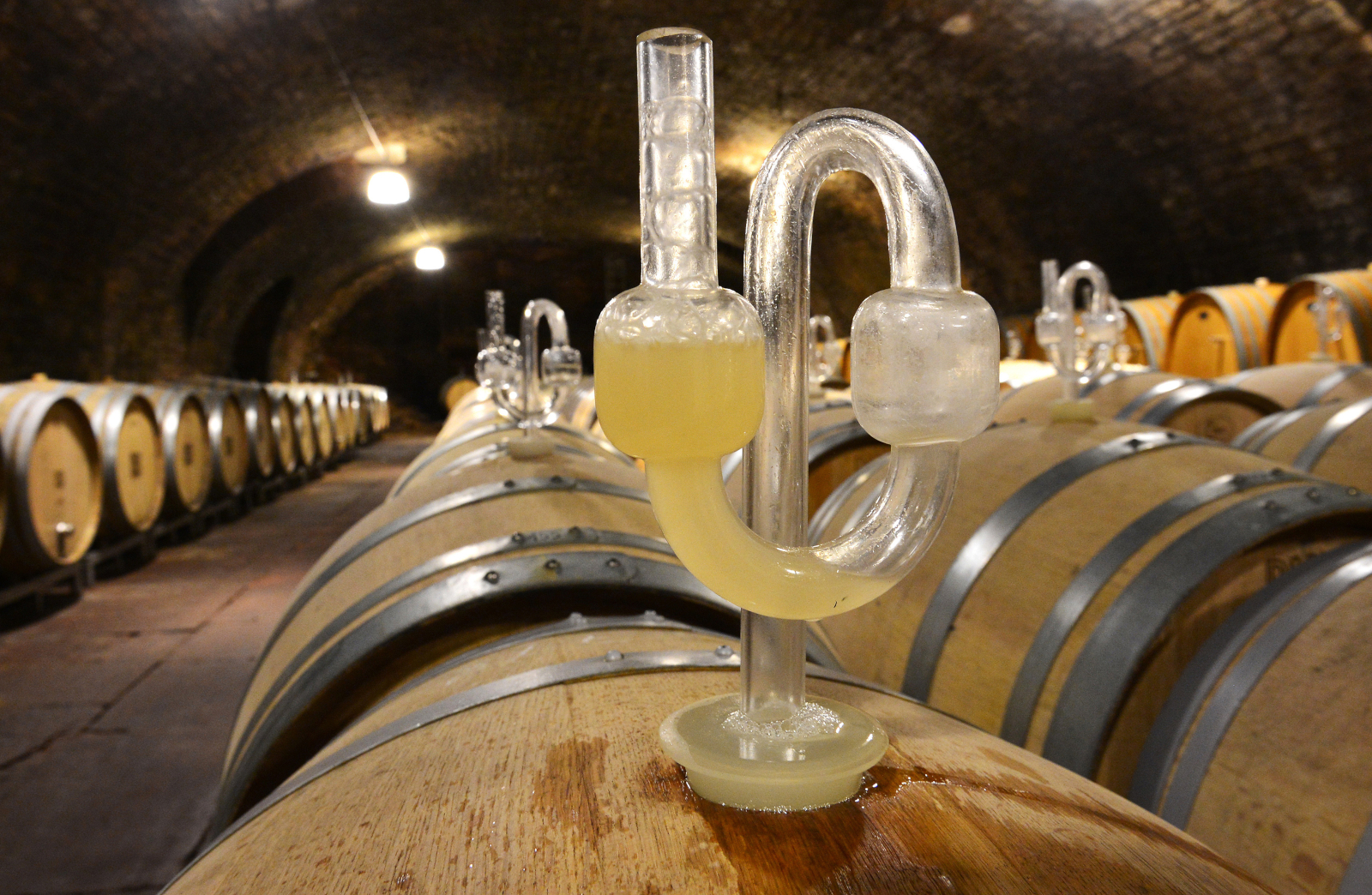 Photo: Deutsches Weininstitut
The wines at a glance
Symbols
| ⧛ | The rating of the wine reflects the mean value from a tasting by our jury. |
| ⚖ | The wine was evaluated in a blind tasting. |
| ⛬ | The wine was tasted as a barrel sample or before an official test number (Amtliche Prüfungsnummer or Staatliche Prüfnummer) was issued. |
| ▲ | The wine exhibited a sensory abnormality during our tasting. This does not necessarily have to be a qualitative defect or a wine fault. In the case of a qualitative impairment, a devaluation or rejection was made depending on the type and severity of the defect or wine fault. |
Wedekind
Hauptstraße 26
55283 Nierstein
Germany
Phone: +49 6133 58483
Fax: +49 6133 509974
Internet: www.weingut-wedekind.de
E‑mail: mail@weinbau-wedekind.de
WinewhitedryRiesling
2013 Nierstein Hipping Riesling Qualitätswein *** trocken
Germany
Rheinhessen • Geschützte Ursprungsbezeichnung (g. U.)
Amtliche Prüfungsnummer 4383242 1334 14 • 11 % alcohol
Winewhitedry to off-dryRiesling
2013 Nierstein Kranzberg Riesling Qualitätswein ***
Germany
Rheinhessen • Geschützte Ursprungsbezeichnung (g. U.)
Amtliche Prüfungsnummer 4383242 1337 14 • 12 % alcohol
Winewhitedry to off-dryRiesling
2013 Nierstein Oelberg Riesling Qualitätswein ***
Germany
Rheinhessen • Geschützte Ursprungsbezeichnung (g. U.)
Amtliche Prüfungsnummer 4383242 1338 14 • 12 % alcohol